Air Conditioner Repair in Austin, TX
We diagnose and repair warm air, noises, drainage, and electrical AC faults.
We treat warm air from the vents, a rattle at the outdoor unit, a burning odor, or a damp patch below the air handler as clues that an air conditioner needs attention. We trace those clues through the thermostat, breaker panel, indoor cabinet, condensate drain, and condenser rather than replacing a part on a guess. A high electric bill can also point to a fan, control, airflow, or refrigeration problem that keeps the equipment running longer than it should.
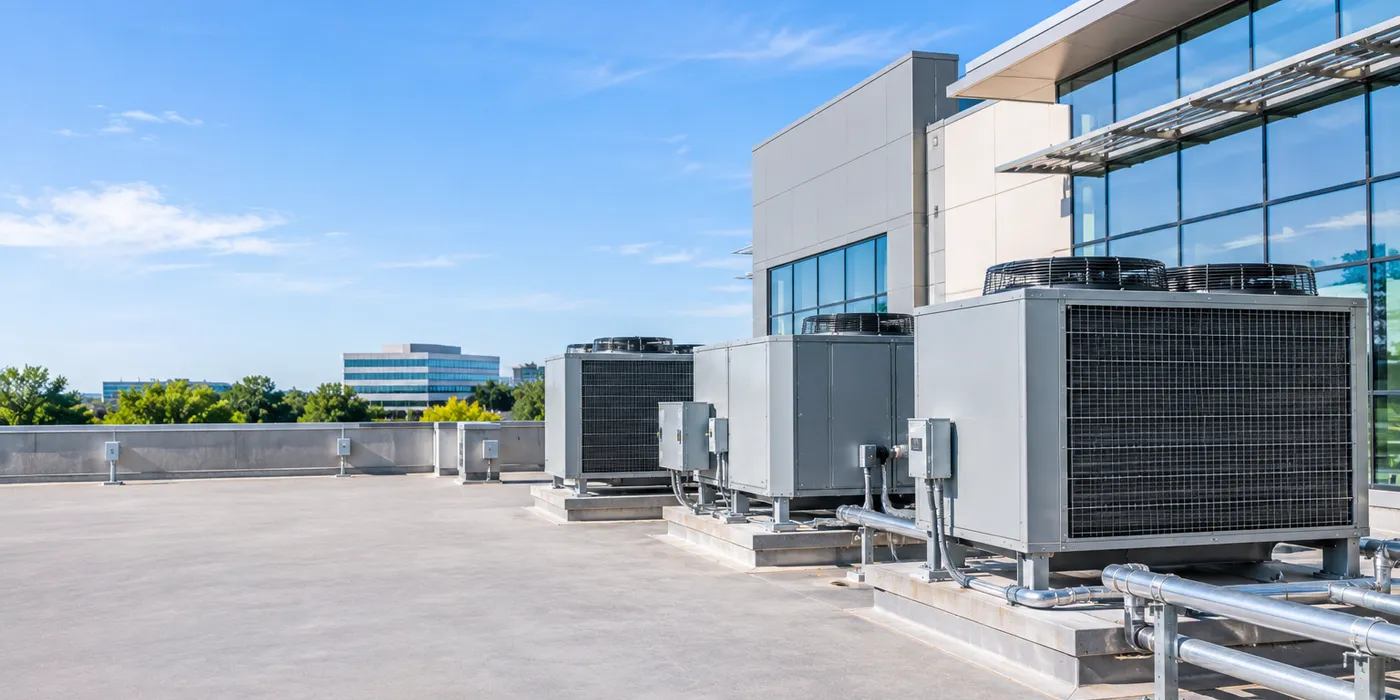
We check air conditioners across Austin, Rollingwood, West Lake Hills, and Lost Creek, including equipment at homes with rooftop units, attic air handlers, and side-yard condensers. A burning smell, tripped breaker, standing water at the air handler, or a condenser that will not start should not wait because heat, moisture, and repeated electrical starts can damage additional components. Weak cooling without those warning signs may allow time for a planned diagnostic visit, but continued operation can put extra strain on the compressor and blower motor.
Warm air and rattling
We commonly hear “the AC is blowing warm,” “the outside unit is making a loud rattle,” “the fan runs but the house will not cool,” and “water is coming through the ceiling near the vent.” Warm supply air can follow a thermostat command problem, a failed outdoor component, restricted airflow, or a refrigeration fault. A metallic rattle may come from a loose panel, worn fan assembly, damaged mounting hardware, or a compressor that struggles during startup.
We also investigate a musty odor at the registers, a burning odor from the closet cabinet, short cycling at the condenser, and a thermostat screen that goes blank. Similar symptoms can start at different parts inside the circuit, cabinet, or drain line. We identify the failed component before discussing repair work because a rattle, warm vent, and shutdown can look alike from indoors while requiring very different parts and labor.
Condenser diagnostic callout
We begin the diagnostic callout by confirming the thermostat setting, checking the filter and return grille, and inspecting the indoor and outdoor cabinets. We measure supply and return air temperatures, inspect the disconnect and breaker, test wiring connections, and listen to the blower and condenser fan. Where the equipment calls for it, we also read electrical values and refrigeration pressures; a cooling temperature split often falls around 15 to 20 degrees under suitable operating conditions, though humidity and airflow affect that reading.
A focused diagnostic check commonly takes 30 to 60 minutes, while access to an attic platform, roof, or tightly placed condenser can add time. We can often replace accessible wiring, a contactor, relay, drain fitting, or fan-related component during the same visit when the correct part is available. A compressor, control board, motor, or model-specific component may need to be ordered, and we book the return work after confirming the part number and equipment match.
Compressor age, access, and parts
Equipment age affects the repair route because older condenser cabinets may use discontinued control boards, motors, or compressor components. A clear equipment label and an available replacement part usually keep the work straightforward. If a manufacturer has stopped making a component, we need to verify compatible options before fitting anything to the cabinet.
Access also changes the scope of a repair. A condenser behind a locked gate, on a roof, or beside dense landscaping takes more setup than a unit with open clearance, while an air handler above a narrow attic opening can require additional protection and working room. Electrical damage, corroded terminals, seized disconnect hardware, and water-damaged drain pans can expand the repair beyond the first failed part. If an equipment change or electrical alteration needs code review or sign-off, we explain that requirement before proceeding.
Model number and unit access
We can book the diagnostic visit more accurately when you have the model number from the data plate on the outdoor condenser or indoor air handler. Tell us which rooms have warm vents, where you see water, and whether the thermostat, blower, or outdoor fan still runs. A photo of the condenser label and the breaker panel can help us identify the equipment before we arrive. Let us know about a roof location, gate, attic hatch, pets, or parked vehicles that affect access to the cabinet. Call Air Conditioning Services Austin at (737) 300-9206 before continued overheating or repeated failed starts put added stress on the compressor.
When we are open
Outside these hours, leave a message and we will call back.
Next: refrigerant leak repair, or back to the home page.